Generate概念设计
Botanical Study Sheet · 手绘植物水彩研究表
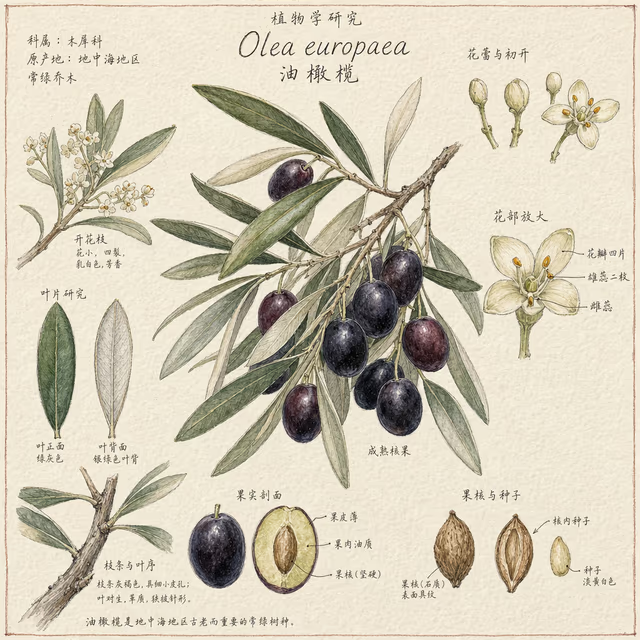
GPT Image 2 仿传统手绘的植物学研究表模板(英文原版):极细蘸水笔线条 + 透明分层水彩晕染 + 暖象牙色水彩纸纹理 + 手写体小字标注,多个植物部位(主花/侧视/花蕾/叶/茎/果实/解剖/种子)松散散布于页面,配以拉丁名/科名/原产地等小型科学标签,像 19 世纪植物学家的标本观察表。在末尾追加植物字段即可换植物。
Generation panelOverview
“Botanical Study Sheet · 手绘植物水彩研究表” is an image prompt on PromptForge in the 概念设计 category, with topics including 极简, 写实, 插画.
- Type
- Generate
- Mode
- Generate images from text
- Category
- 概念设计
- Model
- gpt-image-2
- Tags
- #极简 #写实 #插画
- Examples
- 1 examples
Prompt text
Botanical Study Sheet Prompt Template

Replace the bracketed fields below:

Plant Subject: [PLANT SUBJECT]
Latin Name: [LATIN NAME]
Common Name: [COMMON NAME]
Family: [FAMILY NAME]
Origin: [ORIGIN]
Plant Type: [PLANT TYPE, e.g. climbing vine / deciduous shrub / aquatic perennial / flowering plant]

Main Flower / Plant Color: [MAIN COLOR]
Leaf Color: [LEAF COLOR]
Accent Color: [ACCENT COLOR, optional]

Main Structures to Show:
1. [MAIN HERO STUDY, e.g. one large front-facing flower]
2. [SECONDARY STUDY, e.g. side-view flower]
3. [BUD OR PARTIAL BLOOM]
4. [LEAF STUDY]
5. [STEM / VINE / BRANCH / TENDRIL DETAIL]
6. [FRUIT / SEED POD / RECEPTACLE / ROOT / RHIZOME, if applicable]
7. [CUT SECTION / ENLARGED STRUCTURE DETAIL]
8. [SEED / STAMEN / PETAL / INTERNAL DETAIL]

Small Annotation Labels:
- Family: [FAMILY NAME]
- Origin: [ORIGIN]
- [SHORT LABEL 1]
- [SHORT LABEL 2]
- [SHORT LABEL 3]
- [SHORT LABEL 4]
- [SHORT LABEL 5]

Optional small note:
"[OPTIONAL ONE-SENTENCE NOTE ABOUT THE PLANT]"

Now generate the image with the following instructions:

Create a hand-painted botanical study sheet of [PLANT SUBJECT], also known as [COMMON NAME].

The image must look like a real botanical artwork traditionally rendered by hand with extremely fine waterproof technical pen linework, similar to 003 archival technical pen, and transparent watercolor washes on fine-grain watercolor paper.

This should feel like a true botanical observation sheet created by an illustrator over many hours, with pen-drawn botanical structure first and transparent watercolor glazing added afterward. The page must not look like a poster, infographic, or modern editorial layout.

Main visual style:
- delicate botanical scientific illustration
- very fine waterproof technical pen linework
- subtle contour drawing and light ink hatching
- transparent layered watercolor washes
- visible fine-grain watercolor paper texture
- soft handmade pigment variation
- gentle, quiet, scholarly, refined
- elegant hand-drawn imperfections
- all text and annotations should feel like dip-pen or technical-pen handwriting
- not glossy, not digital-poster-like, not overly polished

Composition:
Arrange multiple separate botanical studies loosely across the page like specimen observations on a watercolor study sheet.
The layout should feel airy, organic, lightly scattered, and balanced with generous negative space.

Visual hierarchy:
- one dominant main study should be the visual center of the page
- the other studies should be smaller supporting observations
- the page should read first as a beautiful botanical illustration, then as a scientific study sheet

Show the following plant parts and studies:
- [MAIN HERO STUDY]
- [SECONDARY STUDY]
- [BUD OR PARTIAL BLOOM]
- [LEAF STUDY]
- [STEM / VINE / BRANCH / TENDRIL DETAIL]
- [FRUIT / POD / ROOT / RHIZOME / RECEPTACLE STUDY]
- [CUT SECTION / ENLARGED STRUCTURE DETAIL]
- [SEED / STAMEN / PETAL / INTERNAL DETAIL]

Botanical character:
The plant should clearly feel like [PLANT TYPE].
The main visual features should include [KEY VISUAL TRAITS, e.g. bell-shaped corolla / radial filaments / glossy leaves / leathery rind / peltate leaf].
The overall form should feel natural, elegant, and scientifically observed.

Page design:
- warm ivory or off-white watercolor paper background
- subtle visible paper grain
- a very thin muted red or sepia border line
- small elegant handwritten annotations
- small scientific labels only
- no structured information box
- no right-side profile panel
- no large decorative blocks
- no bottom paragraph box
- no stamp, badge, seal, or scene vignette

Title system:
Add a slightly larger but still elegant handwritten-style title group at the top of the page.
The title should feel like it was written with dip pen or fine technical pen on watercolor paper, not printed with modern typography.

Use a clear hierarchy:
- "Botanical Study" as a small header
- "[LATIN NAME]" as the main title, moderately larger and more graceful
- "[COMMON NAME]" as a smaller subtitle beneath it

The title group should be clearly visible and slightly larger than the annotations, but still delicate, restrained, and integrated into the botanical sheet.
The main title should be readable and prominent, but it must not look like a poster headline.

Text treatment:
All text should be small, elegant, handwritten-looking, and secondary to the botanical drawing.

Include sparse annotations such as:
"Family: [FAMILY NAME]"
"Origin: [ORIGIN]"
"[SHORT LABEL 1]"
"[SHORT LABEL 2]"
"[SHORT LABEL 3]"
"[SHORT LABEL 4]"
"[SHORT LABEL 5]"

Optional small note, lightly placed:
"[OPTIONAL ONE-SENTENCE NOTE ABOUT THE PLANT]"

Color palette:
[MAIN COLOR], [LEAF COLOR], [ACCENT COLOR], faded sepia linework, ivory watercolor paper, thin muted red border.

Overall feeling:
a real hand-rendered botanical watercolor specimen study sheet of [LATIN NAME], drawn with fine technical pen and transparent watercolor on textured watercolor paper, delicate, airy, observational, refined, and highly believable as a traditional botanical illustration.

Prioritize the pen-and-watercolor medium language over graphic layout, and make the sheet resemble a real traditional botanical painting on watercolor paper rather than a designed print.

---

Note: The user may append specific plant fields at the end (typically "Plant Subject: ... / Latin Name: ... / Family: ... / Origin: ... / Plant Type: ... / Main Color: ..."). The model should use those values to fill the bracketed placeholders above and infer any missing fields. If the user appends nothing, please pick one elegant subject yourself (e.g. Sacred Lotus / Pomegranate Flower / Magnolia denudata) and complete all fields consistently while keeping the hand-painted pen-and-watercolor specimen-sheet style described above.
Model
OpenAIgpt-image-2
Generate
Generation panel
Sign in to create images using credits
Sign in / Sign upBotanical Study Sheet · 手绘植物水彩研究表 What can you create?
Generate example
FAQ about “Botanical Study Sheet · 手绘植物水彩研究表”
- What can I create with Botanical Study Sheet · 手绘植物水彩研究表?
- GPT Image 2 仿传统手绘的植物学研究表模板(英文原版):极细蘸水笔线条 + 透明分层水彩晕染 + 暖象牙色水彩纸纹理 + 手写体小字标注,多个植物部位(主花/侧视/花蕾/叶/茎/果实/解剖/种子)松散散布于页面,配以拉丁名/科名/原产地等小型科学标签,像 19 世纪植物学家的标本观察表。在末尾追加植物字段即可换植物。
- What do I need to use Botanical Study Sheet · 手绘植物水彩研究表?
- Enter a text description. No reference image is required.
- How many credits does this prompt use?
- The cost depends on the generation channel and resolution. Check the generation panel for the current credit cost.